Just a Dad Who Always Came Back: A Designer's Review
As someone who spends more time staring at stitch maps than most people care to admit, I approach new design assets with a healthy dose of skepticism. We have all seen those cute quotes that look perfect on a screen but turn into a tangled mess of thread once they hit the hoop. That is why I took a close look at the Just a Dad Who Always Came Back with the concept before committing it to any client project. This isn't just about slapping a graphic onto a shirt; it is about understanding how typography and sentiment translate into physical machine embroidery design work.
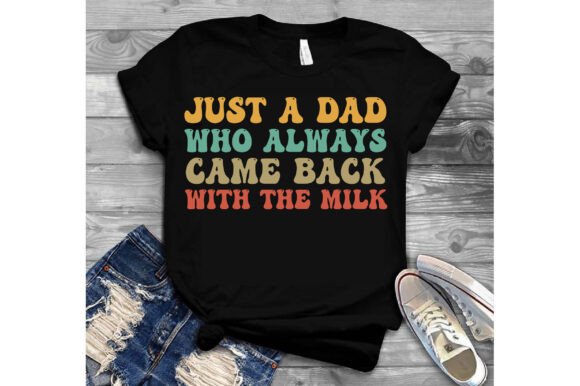
The first thing that strikes me about this phrase is its inherent humor and relatability. It taps into a specific, lighthearted dad trope that resonates deeply with families. Visually, the layout suggests a balanced composition, likely centered around a clean, readable font. For an Etsy seller or a boutique owner, this kind of mood is gold. It feels warm, inviting, and slightly cheeky without being offensive. However, from a technical standpoint, the devil is always in the details. When evaluating this for a real embroidery project, my mind immediately goes to stitch density and letter spacing.
Real-World Application: The Father's Day Sweatshirt
To truly test the viability of this design, I imagined a specific scenario: a custom order for a local craft fair. A customer wants a matching set of family sweatshirt embroidery for Father's Day. The mom wants the dad's sweatshirt to feature this specific quote. In this context, the design needs to hold up against the texture of fleece or heavy cotton blend.
If this graphic were converted into a proper embroidery file, the success of the finished product would rely heavily on how the letters are rendered. Small, intricate serifs might get lost in the pile of a sweatshirt, whereas a bold, sans-serif approach would pop beautifully. I can visualize this working exceptionally well as a chest-left logo or a large back print. The humor lands better when the text is crisp and legible. If the stitch density is too high, the fabric might pucker, ruining the casual vibe of the garment. Conversely, if the density is too low, the backing might show through, making the design look cheap. For a small shop product, that level of quality control is what builds customer trust.
Navigating Fabric Challenges and Hoop Limits
One of the critical factors in using a text-heavy design like Just a Dad Who Always Came Back with the is the choice of substrate. While it shines on a sturdy hoodie, things get tricky with other materials. For instance, if a client requests this on a tote bag design made of canvas, the stability is usually sufficient. However, placing it on a stretchy jersey knit for a baby embroidery project requires serious caution. Without the right stabilizer, the movement of the fabric during stitching could distort the letters, turning "Dad" into an unreadable squiggle.
Furthermore, we must consider the physical limitations of the machine. Not every hoop size can accommodate a long sentence. If the design is intended for a cap or a visor, the curvature of the surface adds another layer of complexity. Text that looks flat on a monitor can appear warped when stitched onto a curved surface unless the digitizer has accounted for pull compensation. As a reviewer, I always advise testing the design on scrap fabric that matches the final material. This is non-negotiable for professional results. Check the thread colors against the fabric background as well; a dark thread on a dark shirt might look sophisticated in a mockup but invisible in real life.
Commercial Viability for Craft Entrepreneurs
For the craft business owner, the appeal of this design lies in its versatility. It fits seamlessly into categories like holiday embroidery, birthday gifts, or even just everyday custom apparel. The market for dad-themed items is perennial, but buyers are becoming increasingly discerning. They want something that feels handmade and thoughtful, not mass-produced. This quote offers that personal touch.
However, there is a crucial distinction to make regarding the source files. The original description mentions "Printable Sublimation Design" and "100 editable file" options. If you are an embroiderer, you cannot simply print and stitch. You need a dedicated digital embroidery file (like PES, DST, or EXP) that has been properly digitized. If you are purchasing this as a sublimation graphic to press onto a shirt, that is one workflow. If you intend to stitch it, you must ensure you have the correct format. Using a print-ready image as a basis for auto-digitizing often leads to poor stitch clarity and excessive jump stitches. Always confirm licensing terms before selling commercial embroidery items. Some creators allow unlimited sales of finished goods, while others restrict usage to personal projects only.
Enhancing Visual Appeal and Brand Consistency
When executed correctly, this design elevates the perceived value of the item. A well-stitched quote on a high-quality apron or kitchen towel transforms a simple household object into a cherished personalized gift. It tells a story. For brand consistency, if you run a shop specializing in family-centric goods, adding this to your catalog reinforces your niche. It shows you understand your audience's sense of humor.
I also recommend considering how this looks in monochrome. Sometimes, stripping away color helps you judge the structural integrity of the lettering. If the design relies solely on color contrast to be readable, it might fail when stitched in a single thread color on a contrasting background. A robust machine embroidery design should stand on its own merits regardless of the thread palette. Additionally, think about the fabric texture. On a waffle weave or a textured linen, a fill stitch might sink in, whereas a satin stitch border could provide the necessary definition.
In conclusion, Just a Dad Who Always Came Back with the is a strong contender for your next project lineup, provided you respect the technical requirements of embroidery. It bridges the gap between trendy internet humor and tangible, heartfelt craftsmanship. Whether you are creating an embroidered patch for a jacket or a full-back design for a team shirt, the key is preparation. Test your stabilizers, check your tension, and verify your file formats. By doing so, you ensure that the final result honors both the joke and the skill involved in making it. For the handmade product community, these small details are what separate the hobbyists from the professionals.