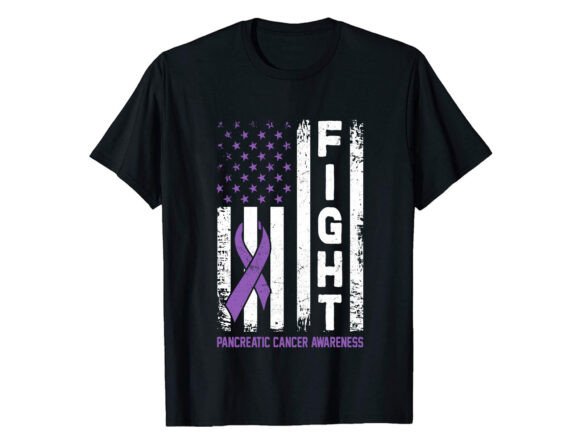
Pancreatic Cancer Awareness T-Shirt: A Designer's Review
When I first pulled up the Pancreatic Cancer Awareness T-Shirt design on my screen, my immediate reaction wasn't just about the cause it represents, but about its potential as a functional embroidery project. As someone who spends hours digitizing and stitching for clients, I look past the sentiment to see how a graphic translates into thread. This specific T-Shirt Designs asset caught my eye because it balances a powerful message with a layout that seems ready for the hoop. However, before committing to a production run or promising a client a finished product, I needed to evaluate how this Graphics file would actually behave under the needle.
First Impressions and Visual Personality
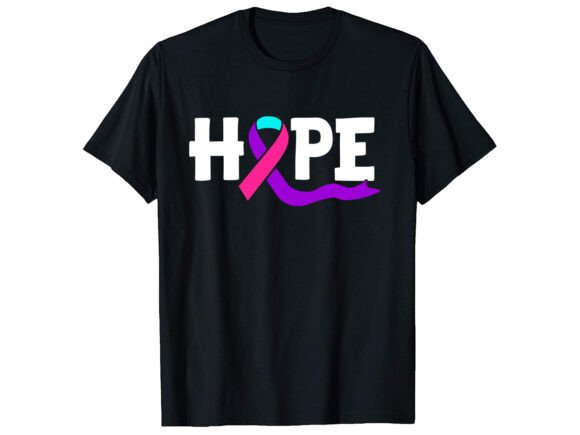
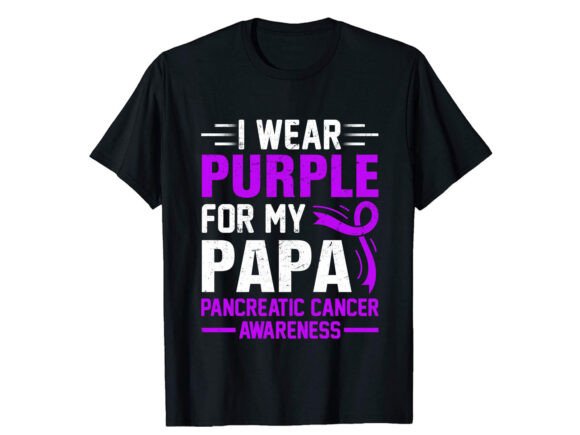
The mood of this design is solemn yet hopeful, which is exactly what an awareness piece needs to be. Visually, the layout appears clean, avoiding unnecessary clutter that often plagues awareness ribbons and text combinations. For an embroidery designer, clean lines usually mean fewer jump stitches and a smoother run on the machine. The shape of the ribbon and the typography seem to have enough weight to hold up well when converted from a digital image to physical thread.
In terms of visual personality, it feels versatile. It doesn't scream "charity event" in a way that limits its wearability; instead, it looks like something a person would proudly wear to support a loved one or honor a memory. This subtle distinction is crucial for custom apparel intended for daily use rather than just a one-time march. The design suggests a strong presence without being overly aggressive, making it suitable for a wide demographic, from teenagers to grandparents.
Real-World Application: The Tote Bag Scenario
To truly test the viability of this design, I imagined a specific real-life scenario: a customer ordering a set of five canvas tote bag design units for a local hospital support group fundraiser. Canvas is a sturdy fabric, but it has a distinct weave that can swallow small details if the stitch count isn't right. In this context, the Pancreatic Cancer Awareness T-Shirt graphic shines as a central focal point.
If I were stitching this onto a tote, I would likely treat it almost like an embroidered patch application, ensuring the edges are defined sharply against the textured background. The design's structure seems robust enough to handle the slight give of canvas without distorting. For a small shop product like this, the perceived value is high. Customers aren't just buying a bag; they are buying a symbol of solidarity. The clarity of the design ensures that even from a distance at a craft fair, the message is legible, driving engagement and conversation.
Versatility Across Different Products
Beyond tote bags, this digital embroidery file concept translates well to other mediums. Imagine this stitched onto a heather grey sweatshirt embroidery project for a family reunion. The soft texture of fleece or French terry requires a design that doesn't get lost in the nap of the fabric. The bold nature of this awareness graphic suggests it would pop nicely here.
It also holds promise for baby embroidery, perhaps on a onesie or a receiving blanket, provided the scale is adjusted correctly. Parents often look for subtle ways to show support, and a smaller version of this design could serve as a touching personalized gift. Furthermore, for Etsy seller accounts specializing in awareness merchandise, this design could be adapted for holiday embroidery gifts, such as ornament covers or kitchen towels, expanding the revenue stream for a craft business.
Technical Considerations and Fabric Challenges
While the design is promising, practical judgment dictates caution in specific areas. If you plan to use this on stretchy fabric like a thin cotton tee, you must be mindful of the stitch density. Heavy fill stitches can cause the fabric to pucker or the garment to lose its drape. In these cases, considering a running stitch outline or reducing the fill density might be necessary to maintain comfort.
Dark fabrics present another challenge. If the original Graphics file relies on light colors against a white background, stitching it directly onto black navy fabric will require careful thread selection. You may need to adjust the color palette to ensure sufficient contrast. Additionally, curved surfaces like caps or hats require a design that fits within a smaller hoop size without losing detail. If the text in the Pancreatic Cancer Awareness T-Shirt design is too small, it might become illegible when stitched on a curved brim. Always check the smallest details before hooping.
Enhancing Brand Consistency and Trust
For commercial embroidery professionals, the quality of the final stitch directly impacts brand consistency. A sloppy execution of a sensitive topic like cancer awareness can damage trust. This design, when executed with precision, enhances professionalism. It shows that the maker cares about the message as much as the medium. High stitching clarity leads to better buyer engagement, whether you are selling design assets or finished goods. A crisp, well-stitched logo builds confidence in the handmade product, encouraging repeat customers and referrals.
Practical Notes for the Embroidery Designer
Before you start stitching, there are several steps you should take to ensure success. First, always test the design on scrap fabric that matches your final material. This allows you to check thread color contrast and verify that the stabilizer you are using is sufficient to prevent puckering.
- Check Stitch Density: Ensure the fill areas aren't too dense for lightweight fabrics.
- Review Small Details: Zoom in on the digital file to see if tiny text or thin lines will survive the stitching process.
- Mockup Testing: Create black and white mockups to see how the design reads without color reliance.
- Licensing Verification: Since this is a commercial-ready concept, confirm the licensing terms before selling finished items or digital products.
Remember, the description notes this file can be used for stickers, posters, and mugs, but as an embroiderer, your focus is on thread and fabric. Do not assume the file is pre-digitized for embroidery unless explicitly stated. If you are working from a raster image, you may need to digitize it yourself to control the satin stitch and fill stitch directions properly.
In conclusion, the Pancreatic Cancer Awareness T-Shirt design offers a solid foundation for meaningful finished product creation. Its strength lies in its adaptability and emotional resonance. By approaching it with technical care—selecting the right stabilizer, adjusting for fabric texture, and respecting the sensitivity of the subject—you can create items that not only look professional but also provide genuine comfort and awareness to those who wear them. Whether for a boutique branding effort or a personal tribute, this design earns its place in your library of design assets.