Review: Endometrial Cancer Awareness T-Shirt Design
As a designer who spends more time staring at stitch maps than most people care to admit, I approach every new Endometrial Cancer Awareness T-Shirt file with a mix of curiosity and caution. When a client asks for awareness apparel, the stakes are higher than a standard decorative motif. The design needs to carry weight, convey solidarity, and—crucially—translate perfectly from a digital screen to physical thread. This particular graphic, marketed primarily as a T-Shirt Design, caught my eye because of its potential versatility beyond just cotton tees. However, before I commit to stitching this on a customer's garment or listing it as a finished product in my shop, I need to break down how it actually performs under the needle.
First Impressions and Visual Personality
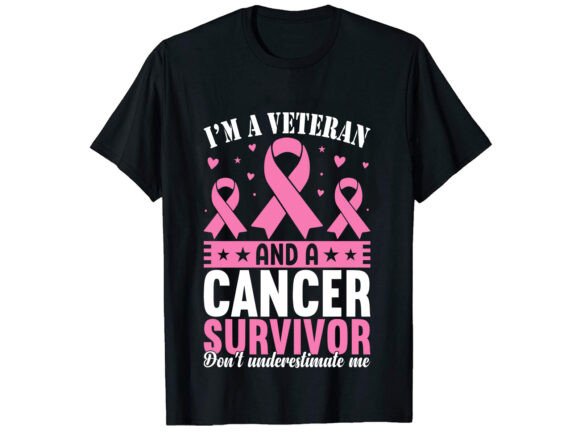
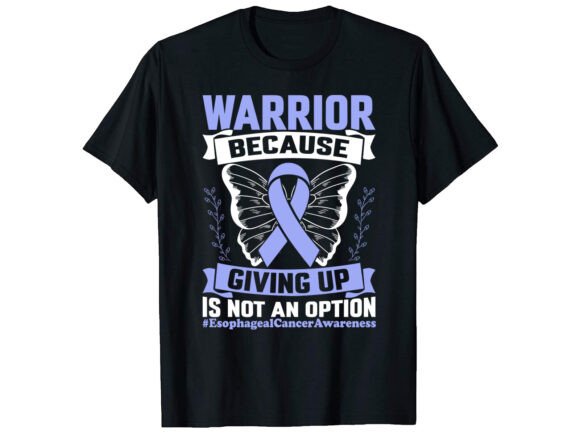
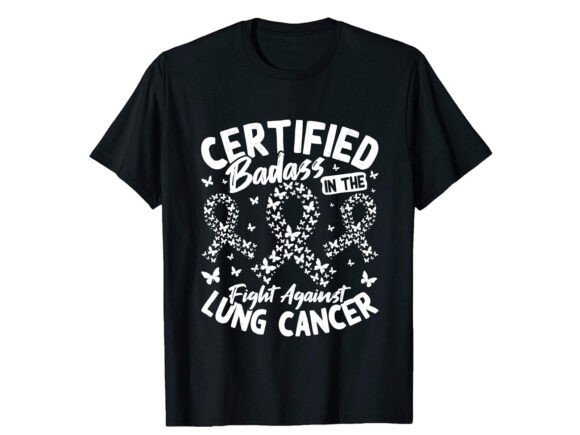
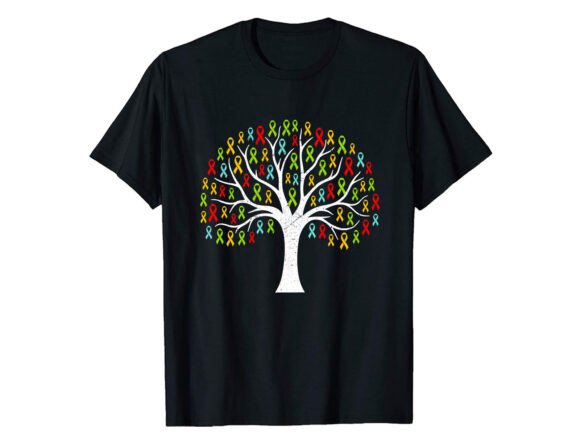
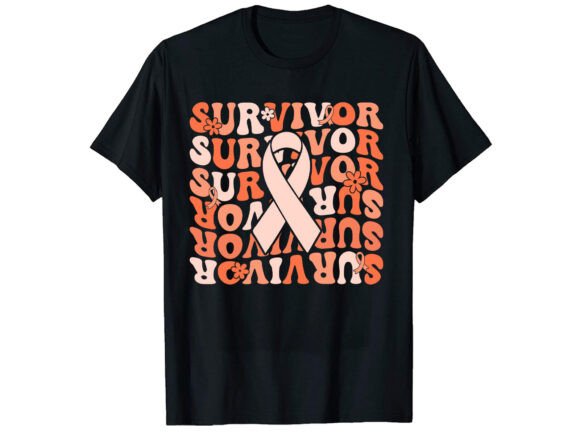
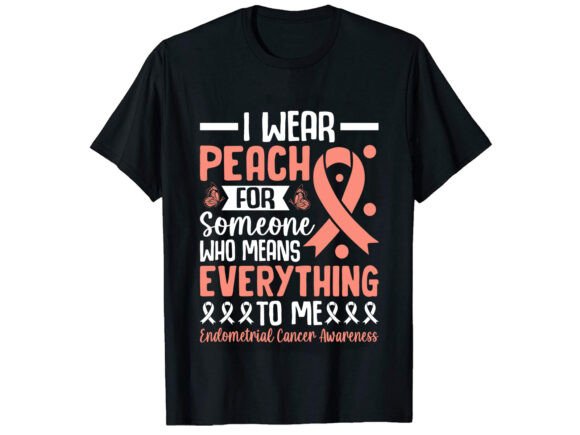
The first thing you notice about this Endometrial Cancer Awareness T-Shirt graphic is its clean, purposeful layout. It doesn't rely on overly complex shading or gradients that often turn into a muddy mess when converted into a machine embroidery design. Instead, it leans on strong shapes and clear typography, which suggests it was created with production in mind. The mood is supportive and resilient, fitting for the cause it represents. Visually, it feels modern enough for a boutique storefront but classic enough for a community fundraiser.
For an Etsy seller or craft business owner, the visual personality is key. This design avoids the cluttered look that plagues many awareness graphics. The balance between the text and the symbolic elements allows the eye to rest, which is essential when you are working with thread colors that need to pop against various fabric backgrounds. It feels like a design that respects the medium of embroidery rather than trying to force a print-style image into a stitched format.
Real-World Application: Beyond the Basic Tee
While the title screams "T-Shirt," my experience tells me that limiting this asset to just apparel is a missed opportunity. I recently simulated a project where I placed this design on a heavy-weight canvas tote bag design intended for a local hospital support group. The results were promising. Because the lines are distinct, the finished product looked professional and durable, capable of carrying groceries or medical supplies without the design losing its integrity.
I also considered how this would work as sweatshirt embroidery. Fleece and French terry can be tricky due to their texture, but the boldness of this graphic suggests it would sit well on top of the pile if paired with the right stabilizer. Imagine offering this as a personalized gift for a survivor; stitching it onto a cozy zip-up hoodie adds a layer of comfort that a flat print simply cannot match. It transforms the item from mere clothing into a statement piece.
Furthermore, for those running a small shop product line, this could easily be adapted into an embroidered patch. By tightening the stitch density and adding a merrow border (if your machine allows or if you finish by hand), this graphic becomes a versatile accessory that customers can iron onto jackets, bags, or hats. This adaptability increases the perceived value of the design assets you purchase.
Technical Considerations for the Stitcher
Here is where we need to get practical. Just because a file exists doesn't mean it will stitch out perfectly on every machine or fabric. When evaluating this Endometrial Cancer Awareness T-Shirt file, there are specific technical hurdles to anticipate.
- Fabric Texture and Stability: If you are stitching on textured fabrics like pique polo shirts or waffle knits, ensure the design doesn't have tiny, isolated running stitches that might get lost in the weave. A fill stitch approach is generally safer here than relying solely on satin stitch columns for large areas.
- Small Details: Check the lettering closely. In awareness designs, legibility is non-negotiable. If the font size is too small relative to your hoop size, the letters may bridge together or become unreadable after washing. Always run a test stitch-out on scrap fabric identical to your final material.
- Curved Surfaces: While the prompt mentions caps and hats, be cautious. Embroidering a wide, horizontal design on a curved cap front can cause distortion. You may need to resize the graphic or adjust the pull compensation settings in your digitizing software if you have access to the source file.
- Density Issues: High stitch density can make a garment stiff and uncomfortable, especially on items like baby embroidery projects or lightweight tees. Review the stitch count if provided, or do a tactile test. If the back of the hoop feels like cardboard, you need to reduce density or switch to a lighter thread weight.
Color Strategy and Contrast
The success of this Graphics file heavily depends on your color choices. Awareness campaigns often have specific color palettes (like peach or teal for endometrial cancer), but don't feel boxed in if you are creating a custom apparel line for general awareness. Test the design in black and white mockups first. If it loses its definition without color, the underlying structure might be too reliant on hue contrasts rather than shape definition.
When working on dark fabrics, you might need to add an underlay or change the thread colors to ensure visibility. Conversely, on light fabrics, ensure your outline stitches are dark enough to provide a crisp edge. This attention to detail separates a amateur-looking handmade product from a professional commercial embroidery item.
Commercial Viability and Licensing
For the creative entrepreneurs and digital product sellers reading this, the licensing aspect is critical. The description notes the file can be used for mugs, banners, and labels, which implies a broad commercial license. However, "much mor" (and more) is vague. Before listing this as a printable mockup or selling finished goods on Etsy, you must confirm the specific terms. Can you sell the digitized file itself? Usually, the answer is no unless stated otherwise. Can you sell unlimited physical items? Often yes, but verification protects your business from legal headaches down the road.
Using this design for holiday embroidery gifts or wedding gifts for survivors is a wonderful application, but ensure the quality matches the sentiment. A poorly stitched awareness ribbon can feel dismissive. Take the time to hoop correctly, use fresh needles, and select high-quality thread that won't fade after the first wash. Customer trust and brand consistency rely on that durability.
Final Verdict for the Workshop
In conclusion, the Endometrial Cancer Awareness T-Shirt design holds significant promise for the discerning decorator. It is not just a clip-art style image; it is a functional embroidery project waiting to be realized. Its strength lies in its clarity and emotional resonance. Whether you are creating a kitchen towel for a fundraiser, a pillow cover for a waiting room, or a flagship tee for your brand, this design offers a solid foundation.
My advice is simple: respect the cause by respecting the craft. Test your tension, choose your fabrics wisely, and always prioritize the comfort of the wearer. With the right execution, this graphic can become a powerful tool in your craft business arsenal, helping you create meaningful products that truly make a difference. Always double-check the file formats compatible with your specific machine and verify the license details to ensure your small business merchandise remains compliant and professional.