Reviewing the Ask Me About My Dad Jokes Design for Embroidery
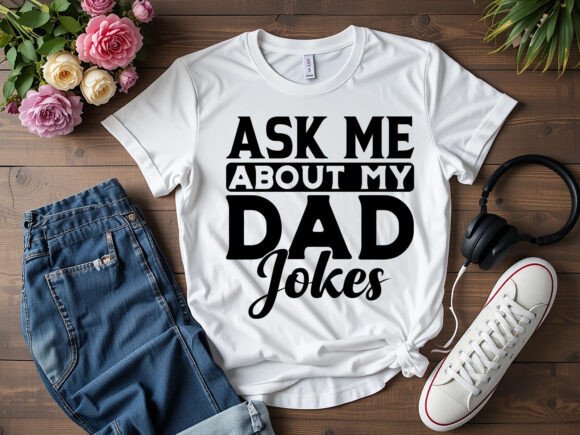
As someone who spends hours hunched over an embroidery machine, digitizing files and testing stitches on every fabric imaginable, I approach new design assets with a critical eye. It is not enough for a graphic to look cute on a screen; it must survive the needle, the thread tension, and the washing machine. Recently, I took a close look at the Ask Me About My Dad Jokes T-Shirt Design. While marketed broadly as a graphic for stickers, mugs, and posters, my immediate instinct was to evaluate its potential as a machine embroidery design for custom apparel and handmade goods.
The first impression of this piece is one of playful confidence. The typography suggests a bold, conversational tone that fits perfectly within the current trend of humorous, personality-driven fashion. For an Etsy seller or a small shop owner looking to expand their catalog beyond generic florals and monograms, this kind of text-based humor is gold. However, translating a raster or vector graphic intended for print into a stitched embroidery project requires careful consideration of stitch types and density.
Visual Personality and Stitch Translation
The layout of the Ask Me About My Dad Jokes T-Shirt Design relies heavily on lettering. In the world of embroidery, text is where many designs fail. If the letters are too thin, they disappear into the fabric texture. If they are too dense, the material puckers and becomes stiff. When reviewing this specific graphic for conversion or use as a pre-digitized embroidery file, the spacing between characters appears generous enough to accommodate satin columns or even small fill stitches without bleeding together.
The mood is lighthearted, making it an ideal candidate for casual wear. I can easily visualize this stitched onto a heather grey sweatshirt using a contrasting white or electric blue thread. The simplicity of the message means it does not require thousands of color changes, which is a massive plus for production efficiency. For a craft business owner, time is money. A design that minimizes thread trims while maximizing visual impact is always a winner. The visual personality here screams "approachable," making it perfect for teachers, coaches, or anyone who loves to break the ice with a groan-worthy pun.
Real-World Application Scenarios
To truly test the viability of this design, I imagined a specific real-life scenario: preparing a batch of personalized gifts for Father's Day. I pictured stitching this onto a canvas tote bag design meant for carrying groceries or gym gear. The sturdy nature of canvas provides an excellent foundation for the structural integrity of the text. Unlike thin t-shirt material, canvas can handle a higher stitch density without warping, ensuring the "Dad Jokes" message remains crisp and legible even after heavy use.
Another strong application would be sweatshirt embroidery. French terry or fleece fabrics offer a plush background that makes the raised texture of satin stitching pop. Imagine a navy blue hoodie with this phrase stitched in bright yellow across the chest. It transforms a basic garment into a statement piece. Furthermore, this design could work beautifully as an embroidered patch. By digitizing it with a merrowed edge or a simple running stitch border, you could create iron-on accessories that customers can apply to denim jackets, backpacks, or hats later. This versatility adds significant value to the finished product.
For those running a boutique specializing in baby embroidery, this might seem like an adult-centric joke, but there is a market for "cool dad" onesies. However, caution is advised here. Baby skin is sensitive, and the back of the embroidery must be clean. If using this on infant wear, one must ensure the stitch count is minimized or backed with a soft cover to prevent irritation.
Technical Considerations and Fabric Challenges
While the design concept is strong, practical execution requires attention to detail. One major area of concern with text-heavy graphics is the hoop size. Depending on the font scaling, this phrase might require a medium or large hoop to maintain readability. Trying to shrink this down to fit a 4x4 hoop for a pocket logo could result in illegible mush, especially if the original Graphics source has fine serifs or intricate details. Always check the minimum recommended size before committing to a project.
Fabric choice is equally critical. On stretchy knits, such as those used for standard T-Shirt Designs, stabilization is non-negotiable. A cut-away stabilizer is essential to prevent the text from distorting as the garment stretches during wear. If you attempt this on a textured fabric like linen or waffle knit, the smooth lines of the letters might get lost in the weave. In such cases, increasing the stitch width or opting for a fill stitch rather than a pure satin column might be necessary to ensure coverage.
Dark fabrics present another challenge. If stitching white thread on black fabric, the underlying material can sometimes show through gaps in the stitching. A layer of water-soluble topping can help keep the stitches flat and opaque, ensuring the "Ask Me About My Dad Jokes" message stands out sharply against the dark background. Additionally, curved surfaces like caps require specific digitizing adjustments to account for the push and pull of the fabric. If you plan to offer this as a cap embroidery service, ensure the file is specifically optimized for headwear, or the text may arch incorrectly.
Enhancing Brand Value and Customer Trust
From a business perspective, the quality of your embroidery directly reflects your brand. A sloppy, puckered implementation of this design will erode customer trust faster than anything else. Conversely, a clean, professional stitch job elevates the perceived value of the item. When a customer sees a well-executed humorous design, they associate that quality with your entire small shop product line. It encourages repeat business and word-of-mouth referrals.
This design also offers excellent opportunities for printable mockups and digital marketing. Before even threading the machine, you can place the graphic on various product templates to gauge audience reaction. This allows you to test different color combinations—perhaps a vintage cream thread on a distressed brown shirt versus a neon green on black—to see what resonates with your target demographic. Effective use of these visuals in your online listings can significantly boost buyer engagement.
Practical Notes for the embroiderer
Before launching this design into your production queue, here are a few essential steps to take:
- Test on scrap fabric: Never run a new design on a client's garment first. Stitch it on a similar weight and texture scrap to check for puckering or registration issues.
- Check thread contrast: Ensure your chosen thread colors provide enough contrast against the fabric so the joke is readable from a distance.
- Review stitch density: If the design feels too stiff after stitching, consider reducing the density in your digitizing software or switching to a lighter weight thread.
- Inspect small details: Look closely at the corners of the letters. Sharp corners often need tie-offs or specific stitching angles to prevent looping.
- Verify licensing: Since this is a digital asset, confirm whether the license allows for commercial use on physical goods you intend to sell. Some digital embroidery file creators restrict the number of finished items you can produce.
- Stabilizer selection: Match your stabilizer to the fabric. Tear-away for stable wovens, cut-away for stretchy knits, and topping for textured surfaces.
In conclusion, the Ask Me About My Dad Jokes T-Shirt Design holds significant promise for the creative entrepreneur willing to put in the technical prep work. It bridges the gap between internet humor and tangible, wearable art. Whether you are creating holiday embroidery gifts, stocking your booth for a craft fair, or fulfilling custom orders for local businesses, this design offers a versatile foundation. Just remember that the difference between a good design and a great handmade product lies in the execution. Pay attention to your materials, respect the limitations of your machine, and let the humor shine through precise, high-quality stitching.