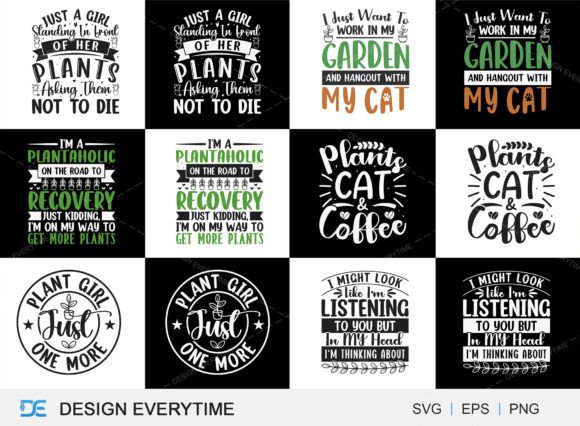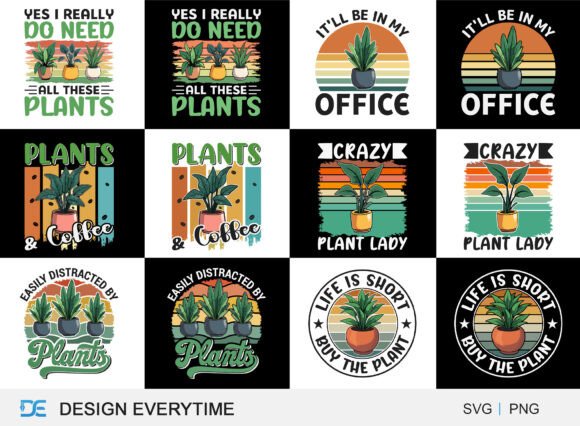
Wave Groovy Planting Design Bundle Review
As a designer who spends more time staring at stitch simulations than most people care to admit, I approach new design assets with a healthy dose of skepticism. We have all downloaded a "perfect" file only to find it turns into a bird's nest on the machine. When I first opened the Wave Groovy Planting Design Bundle, my immediate reaction wasn't just about the aesthetic; it was about feasibility. This isn't just a pretty picture for a screen; it is a potential machine embroidery design that needs to survive the rigors of thread, fabric, and washing machines.
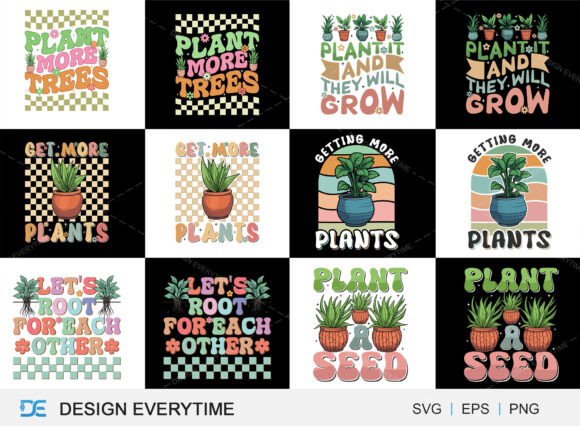
The vibe here is unmistakably retro-modern. The "groovy" descriptor fits perfectly. We are looking at fluid lines, organic shapes, and a botanical theme that feels less like a stiff corporate logo and more like something you would find in a 1970s zine or a modern boho boutique. For those of us creating handmade products, mood is everything. This bundle exudes a relaxed, creative energy that translates beautifully into custom apparel and home decor. However, the transition from a high-resolution graphic to a stitched reality requires careful planning.
From Screen to Stitch: A Real-World Test Case
To truly evaluate this bundle, I imagined a specific project: a limited run of canvas tote bags for a local farmer's market vendor. She needed something that looked artisanal but could be produced efficiently. The Wave Groovy Planting Design Bundle seemed like a strong contender. The flowing lines of the planting motifs suggest movement, which is excellent for breaking up the static nature of a flat bag surface.
When visualizing this as an embroidery project, the first thing I noticed was the potential for texture. While the product description highlights SVG, PNG, and EPS formats—indicating these are primarily vector graphics intended for T-Shirt Designs and general Graphics—the clean lines are ripe for digitization into an embroidery file. If you are using these as print-and-cut vinyl for heat transfer, the 300 DPI PNGs at 4500×5400 resolution are crisp enough for large-scale applications without pixelation. But for the embroiderer, the simplicity of the wave forms suggests they could be rendered effectively with a combination of satin stitch for the outlines and a light fill stitch for the plant bodies.
In a real-life scenario, imagine this design on a heather grey sweatshirt. The organic curves of the "wave" element would contrast nicely against the structured seams of the garment. For a baby embroidery project, such as a onesie or a nursery wall hanging, the soft, non-aggressive lines feel safe and comforting. It avoids the sharp, jagged edges that can sometimes look too industrial on soft goods.
Navigating Fabric and Hoop Constraints
Here is where practical experience comes into play. While the digital files are robust, applying them to physical media requires caution. If you are converting these graphics into a digital embroidery file yourself, or sending them to a digitizer, pay close attention to stitch density. The "groovy" style often relies on thick, bold lines. If these are filled too densely on a stretchy fabric like a t-shirt jersey, you risk puckering. The fabric will pull, distorting those beautiful waves into something unrecognizable.
For tote bag design applications, you have more leeway. Canvas and duck cloth provide a stable base. However, if you are attempting this on a cap or a curved surface, the horizontal span of the wave design might exceed standard hoop capabilities depending on how you scale it. You must check your hoop size limitations before committing to a full-color run. A design that looks balanced on a square mockup might feel cramped on a curved hat front.
Textured fabrics present another challenge. The clean, high-regulation lines of the PNG and SVG files rely on contrast. If you stitch this onto a bouclé knit or a heavily textured towel, the fine details of the planting elements might get lost. In those cases, I recommend simplifying the design further or opting for an applique design approach, where the graphic is cut from fabric and stitched down, preserving the shape regardless of the background texture.
Commercial Viability and Brand Consistency
For the Etsy seller or small shop owner, consistency is key to building trust. The Wave Groovy Planting Design Bundle offers a cohesive look across its 12 variations. This allows you to create a collection rather than just selling one-off items. Imagine offering a matching set: a tote bag, a tea towel, and a throw pillow, all featuring different iterations of the same groovy planting theme. This kind of product bundling increases perceived value and encourages larger cart sizes.
Visual appeal directly impacts buyer engagement. In the current market, customers are drawn to designs that feel personal and handmade. This bundle avoids the generic, clip-art feel that plagues many small shop products. The black and white versions mentioned in the file list are particularly useful for creating high-contrast printable mockups or for projects where thread color availability is limited. A monochromatic embroidered patch using these designs can look incredibly chic and modern, appealing to a demographic that values minimalist aesthetics.
However, a word of warning regarding commercial use: always verify the licensing terms attached to the specific download. Just because a file is high quality doesn't automatically grant unlimited commercial rights. Ensure you understand whether you can sell the finished product (like an embroidered shirt) or if there are restrictions on reselling the digital files themselves.
Practical Notes for the Maker
Before you commit to production, treat this bundle with the respect it deserves by testing it. Do not skip the scrap fabric stage. Cut a piece of the actual material you intend to use, hoop it with the appropriate stabilizer, and run a test stitch. Pay attention to how the thread colors interact. Since the design relies on flow, using variegated thread could add an incredible dynamic effect, making the "waves" look like they are actually moving. Conversely, sticking to solid, contrasting thread colors will emphasize the graphic nature of the design.
Inspect the small details. In the planting motifs, are there tiny leaves or stems that might break under tension? If you are digitizing this yourself, consider using a running stitch for the finest details to reduce bulk. For the broader wave sections, a tatami fill might provide better coverage without excessive thread consumption.
Finally, consider the end-user experience. If this is a holiday gift or a personalized gift, durability matters. Ensure your stitch path minimizes jump stitches on the back, especially for items like baby clothes or towels that will see frequent washing and friction. A messy back can scratch sensitive skin and unravel over time, ruining the professional presentation you worked hard to achieve.
The Wave Groovy Planting Design Bundle is a versatile tool in the creative entrepreneur's kit. It bridges the gap between digital precision and tactile warmth. Whether you are decorating a boutique storefront, creating commercial embroidery runs, or making a single embroidered patch for a friend, this design holds up well under scrutiny. It invites experimentation while maintaining a strong visual identity. With the right preparation, fabric choice, and stitching technique, it can elevate a simple blank garment into a standout piece of wearable art.