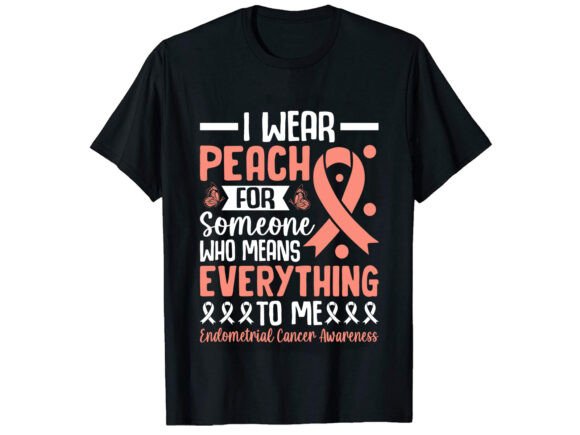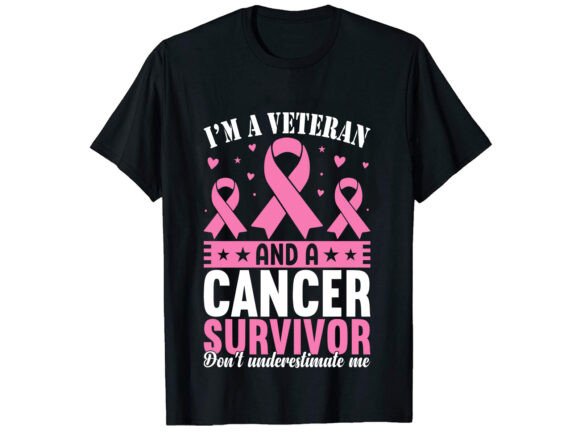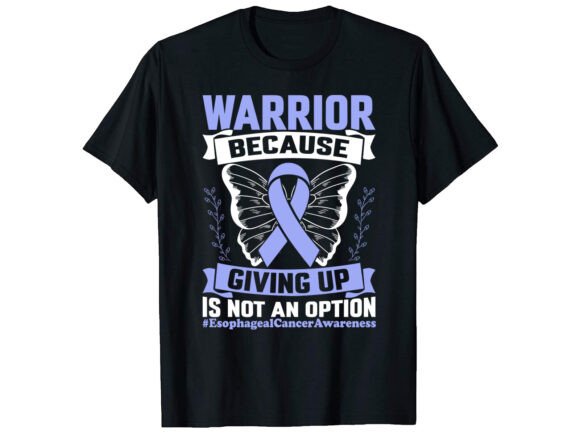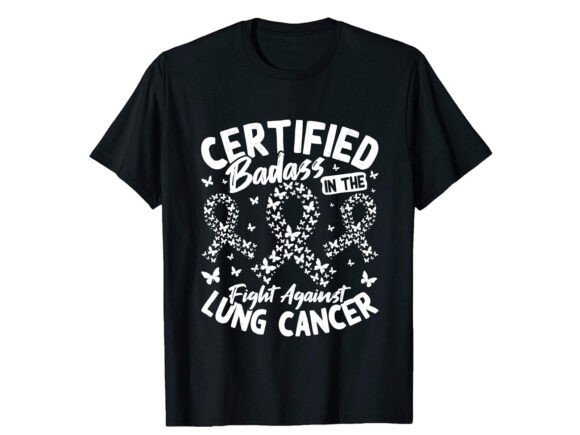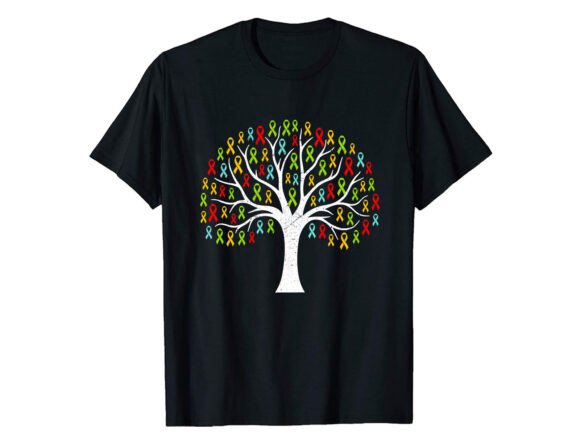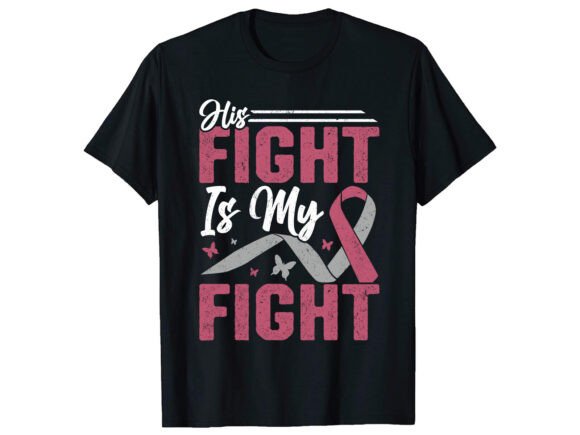
Review: Cancer Head and Neck Awareness T-Shirt Design
As a designer who spends more time staring at stitch maps than most people care to admit, I approach every new machine embroidery design with a healthy dose of skepticism. We have all seen those graphics that look stunning on a screen but turn into a thread-choked mess once the needle hits the fabric. That is why I took a close look at the Cancer Head and Neck Awareness T-Shirt file before committing it to any client projects or personal handmade products. This isn't just about whether it looks pretty; it is about whether it holds up under the pressure of real-world production.
My first impression of this Graphics asset was its clarity of purpose. In the world of awareness campaigns, subtlety often gets lost, but boldness can feel aggressive. This design strikes a necessary balance. The layout feels intentional, with a visual personality that commands respect without being overwhelming. For those of us creating custom apparel for support groups, fundraising events, or memorial gifts, the mood here is spot-on. It conveys solidarity and strength, which is exactly what the recipient needs to feel when wearing the finished item.
Putting the Design to the Test in Real Scenarios
To truly evaluate this file, I imagined a specific real-life scenario that many of us face regularly. Picture a small boutique owner preparing for a local charity run or a hospital support group gathering. They need to produce thirty sweatshirt embroidery pieces and a matching set of tote bags within a week. This is where the Cancer Head and Neck Awareness T-Shirt design enters the workflow.
If I were stitching this onto a heavy cotton blend sweatshirt, the design's structure suggests it would sit well on the chest or sleeve. The lines appear distinct enough to maintain their shape even on textured fabrics. However, if you are planning to use this as a tote bag design, you need to consider the weave of the canvas. A tighter weave will yield sharper results, while a loose weave might cause the edges of the design to blur slightly if the stitch density is too high. For a personalized gift like a baby onesie or a delicate nursery decor item, I would proceed with caution. The scale of the artwork might need significant reduction, and tiny details could vanish if not adjusted properly for smaller hoop size constraints.
For an Etsy seller looking to expand their catalog beyond generic quotes, this type of T-Shirt Designs asset offers a way to create meaningful small shop product listings. Whether it is an embroidered patch meant to be ironed onto a jacket or direct stitching on a cap, the versatility seems promising. Yet, the key lies in how the design handles curved surfaces. If you are applying this to a baseball cap, ensure the centering is perfect, as any asymmetry will be immediately noticeable on such a prominent item.
Technical Considerations for the Stitcher
Let's talk about the nitty-gritty of the actual stitching process. When working with awareness themes, we often deal with specific color palettes—usually ribbons in pearl gray or burgundy. Before loading this digital embroidery file into your machine, you must check the thread color contrast. Does the design rely on subtle shading that might get lost if you swap out the recommended threads for what you have in stock? I always recommend running a test on scrap fabric first. This simple step saves hours of unpicking and frustration.
One area that requires careful attention is the stabilizer selection. If you are using this for holiday embroidery gifts on stretchy performance tees, a cut-away stabilizer is non-negotiable to prevent puckering over time. Conversely, for a sturdy denim apron or a kitchen towel intended for frequent washing, a tear-away might suffice, but only if the fill stitch areas aren't too dense. High-density areas can make the fabric stiff and uncomfortable against the skin, which is a major drawback for wearable items.
Also, inspect the small details. Are there tiny lettering elements or fine corners that utilize a running stitch? These are beautiful when they work but prone to breakage if the tension is off. If the design includes satin stitch borders, ensure your machine is tuned correctly to avoid gaps. For commercial applications, consistency is king. You cannot afford to have one shirt look crisp and the next look sloppy because the design pushes the limits of your machine's capabilities.
Maximizing Value and Professionalism
The ultimate goal of using a pre-made design like the Cancer Head and Neck Awareness T-Shirt is to elevate the perceived value of your handmade product. Customers trust brands that present clean, professional imagery. A blurry or poorly stitched logo undermines that trust instantly. This design, when executed correctly, enhances brand consistency for organizations and adds a layer of professionalism to individual makers' portfolios.
Think about the buyer engagement aspect. When a customer sees a well-executed awareness design on a printable mockup or in person at a craft fair, they connect emotionally. They aren't just buying a shirt; they are buying into a cause. This emotional connection drives sales and encourages repeat business. However, this only works if the finished product looks as good as the promise. If the stitches pull apart after two washes, that trust is broken forever.
For those venturing into commercial embroidery, it is vital to verify the licensing terms attached to these design assets. The product description mentions usage for t-shirts, stickers, posters, and mugs, which implies broad utility. However, always confirm whether the license allows for unlimited physical sales or if there are caps on production numbers. Never assume; always read the fine print to protect your craft business from legal headaches down the road.
Final Verdict for Makers and Entrepreneurs
In conclusion, the Cancer Head and Neck Awareness T-Shirt design is a solid contender for your digital library, provided you approach it with a strategist's mind. It is not a "load and go" file for every situation. It demands respect for fabric choice, stabilizer science, and machine maintenance. For the experienced decorator, it offers a reliable foundation for creating impactful custom apparel and meaningful gifts. For the hobbyist, it serves as an excellent practice piece for mastering tension and density control.
Remember, the success of any embroidery project relies 10% on the file and 90% on the execution. Test your threads, check your hoop alignment, and consider the end-user's comfort. If you do these things, this design can become a staple in your lineup of awareness merchandise, helping you build a reputation for quality and compassion in your community. Whether you are making a single gift for a friend or hundreds of units for a fundraiser, let the quality of your stitch speak as loudly as the message on the shirt.