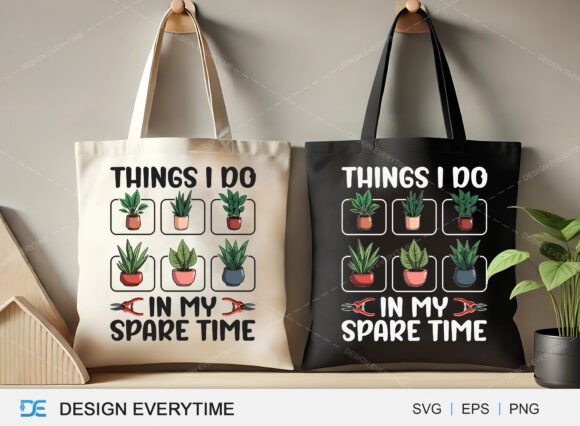
Review: Things I Do in My Spare Time Tote Bag Design
As a designer who spends more time staring at stitch maps than most people spend watching television, I approach every new digital embroidery file with a mix of curiosity and skepticism. We have all downloaded a "perfect" graphic only to find it turns into a bird's nest of thread once it hits the hoop. So, when I pulled up the Things I Do in My Spare Time Tote Bag design, my first instinct wasn't to click "buy," but to analyze its potential life as a stitched finished product.
This isn't just a review of pixels; it is an evaluation of how this specific tote bag design translates from a screen to fabric. Whether you are an Etsy seller looking for your next best-seller or a hobbyist making a personalized gift for a friend, understanding the practical application of this Graphics asset is crucial before you commit thread to needle.
The Visual Personality and First Impressions
The immediate appeal of the Things I Do in My Spare Time Tote Bag lies in its versatility. The concept is inherently relatable—everyone has those quirky, quiet moments they cherish. Visually, the layout feels balanced, offering enough negative space to let the text breathe without looking sparse. For an embroidery project, white space is your friend; it reduces stitch count and prevents the fabric from puckering.
The mood here is casual yet polished. It doesn't scream for attention with overly complex details, which makes it an excellent candidate for custom apparel and home goods alike. The typography appears clean, suggesting that if digitized correctly, it would rely heavily on crisp running stitch outlines or tight satin stitch columns rather than dense fill stitch areas. This is a good sign for durability, especially on items like tote bags that get tossed around.
Real-World Application Scenarios
Let's talk about where this design actually shines. I recently envisioned a scenario for a local boutique client who needed low-cost, high-margin inventory for a holiday market. The Things I Do in My Spare Time Tote Bag immediately came to mind as a perfect fit for canvas totes. Canvas provides a stable base that handles the weight of the stitching well, ensuring the letters don't sink into the weave.
Beyond totes, this design has serious potential for sweatshirt embroidery. Imagine a cozy, oversized crewneck with this phrase stitched across the chest in a contrasting thread color. It fits the current trend of "quiet luxury" meets humor. It would also work beautifully as an embroidered patch. If you digitize the background as a merrowed edge or a simple border, you create a removable asset that customers can iron onto jackets or backpacks.
For those running a craft business, consider the baby market. While the text is general, swapping the context to "Things Baby Does in Their Spare Time" (if the license allows modification) or simply using the original for a cool parent's diaper bag adds a layer of modern parenting style. It moves away from traditional pastels and into something more gender-neutral and chic.
Navigating Fabric Textures and Hoop Limitations
However, not every surface is created equal. When working with the Things I Do in My Spare Time Tote Bag files, you must be mindful of your substrate. On textured fabrics like waffle knits or heavy linen, fine details can get lost. If the design includes thin lettering, a stitch density that looks great on smooth cotton might disappear on a rougher weave.
You also need to consider your hoop size. While the provided formats include SVG and EPS vectors which are scalable, remember that scaling up a raster PNG (4500×540) too much will result in pixelation if you are using it as a reference for manual digitizing. Always check the dimensions against your machine's maximum hoop capacity. If you are attempting this on a curved surface like a cap, be cautious. Caps require specific underlay and pull compensation; a design meant for a flat tote might distort on a structured front panel without proper adjustment.
Dark fabrics present another challenge. The product description mentions black and white versions, which is helpful for mockups, but when stitching on navy or black garments, you will need to select high-contrast thread colors. A light gray on black might look sophisticated on screen but muddy in person. Always test your thread chart against the actual fabric before starting the full run.
Commercial Viability and Brand Consistency
For the small shop product creator, consistency is key to building trust. This design offers a professional look that elevates a handmade item from "crafty" to "boutique." Using a clean, legible font style ensures that your handmade product looks intentional. Customers are more likely to pay a premium for an item that looks like it was produced with precision machinery and thoughtful design choices.
If you are selling these as T-Shirt Designs or printable mockups for other creators, the clarity of the SVG and EPS files is paramount. These vector formats allow buyers to resize the artwork without losing quality, a non-negotiable feature for professional design assets. The inclusion of high-resolution PNGs is a nice touch for quick previews on social media, helping to drive engagement before a customer even sees the stitched version.
Practical Notes for the Embroiderer
Before you load this into your machine, here is my professional advice for getting the best results:
- Test on Scrap First: Never skip the test stitch-out. Use the same fabric and stabilizer combination you plan to use for the final item.
- Stabilizer Selection: For tote bags, a cut-away stabilizer is often safer than tear-away to prevent distortion over time as the bag carries weight.
- Check Licensing: The product includes files for personal and potentially commercial use, but always verify the specific terms regarding resale of finished goods versus digital redistribution.
- Thread Contrast: Ensure your thread choice pops against the fabric. High contrast improves readability and visual appeal.
- Inspect Small Details: Look closely at the corners of the letters. Sharp corners in a digital file can become rounded blobs if the stitch density is too high or the pull compensation is off.
In conclusion, the Things I Do in My Spare Time Tote Bag design is a solid contender for your library. It balances humor with aesthetic cleanliness, making it adaptable for everything from holiday embroidery gifts to everyday commercial embroidery stock. By respecting the limitations of your materials and taking the time to prep your files correctly, you can turn this simple graphic into a standout piece that resonates with customers and stands the test of wear and washing.