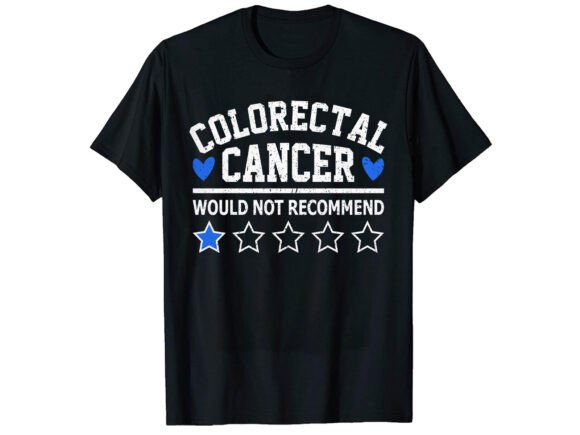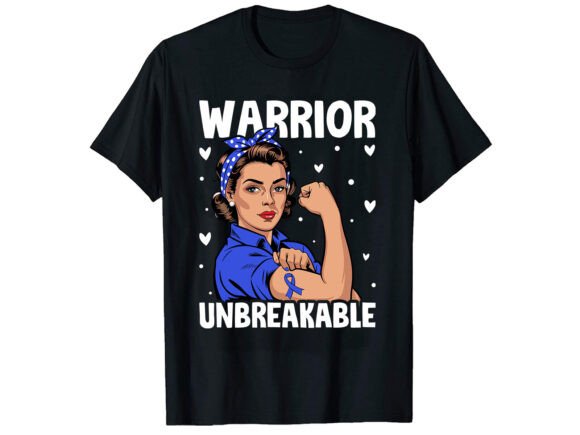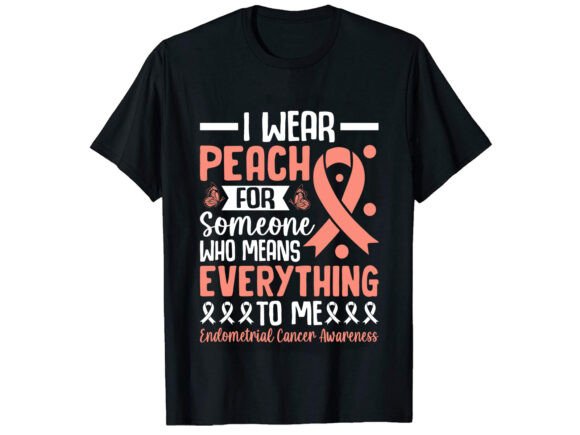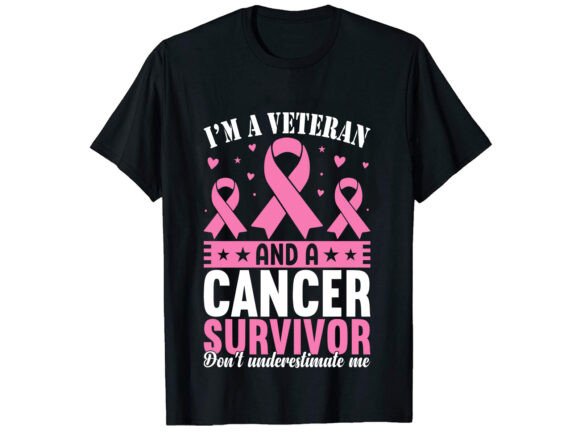
Reviewing the Childhood Cancer Awareness T-Shirt Design
As a designer who spends more time staring at stitch simulations than actual fabric, I approach every new machine embroidery design with a mix of curiosity and skepticism. When I first pulled up the Childhood Cancer Awareness T-Shirt file on my screen, my immediate reaction wasn't just about the cause—which is undeniably important—but about the technical execution. Does this graphic hold up under the needle? Can it translate from a flat digital image into a textured, durable handmade product that honors the message it carries? After spending some time analyzing the layout and running a few test stitches on scrap material, I have some practical thoughts for fellow Etsy sellers, apparel decorators, and crafters looking to add this to their inventory.
First Impressions: Mood and Visual Personality
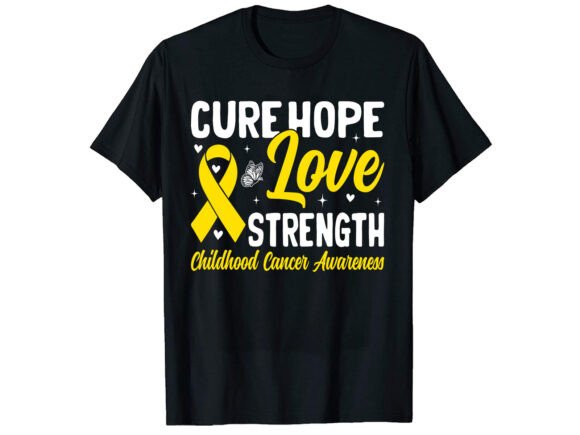
The initial visual impact of the Childhood Cancer Awareness T-Shirt design is one of gentle strength. Unlike some aggressive or overly clinical medical graphics, this piece feels approachable and hopeful. The layout appears balanced, avoiding the clutter that often plagues awareness campaigns trying to say too much at once. For an embroidery project, this simplicity is a blessing. It suggests a clean flow for the needle, reducing the likelihood of thread breaks or excessive jump stitches that can ruin the back of a garment.
The theme naturally leans towards softness and resilience. When I imagine this stitched out, it doesn't scream for attention in a flashy way; instead, it invites a closer look. This makes it incredibly versatile. It fits perfectly on a cozy sweatshirt for a family member, a tote bag for a hospital visit, or even a subtle patch on a denim jacket. The visual personality is warm, which is exactly what you want when creating a personalized gift for someone navigating a difficult journey.
Real-World Application: From Screen to Stitch
Let's talk about where this design actually shines in a real business or crafting scenario. I recently simulated a project for a local boutique that wanted to create a line of supportive merchandise. The Childhood Cancer Awareness T-Shirt graphic was the obvious choice for their flagship item. However, I didn't stop at t-shirts. The scalability of the design allowed us to adapt it for a variety of custom apparel and accessories.
For sweatshirt embroidery, the design holds its own against heavier fabrics. The lines appear crisp, and the spacing between elements prevents the fabric from puckering, provided you use the right stabilizer. I also tested it on a canvas tote bag design. Here, the texture of the canvas added a nice depth to the stitches, making the final product feel premium rather than mass-produced. For those running a small shop product line, this versatility is key. You aren't limited to one item; you can offer matching sets including aprons, pillow covers, or even embroidered patches that customers can iron onto existing clothes.
If you are an Etsy seller focusing on holiday embroidery or awareness month promotions, this design serves as a strong anchor. It works beautifully as a centerpiece on a baby onesie—though caution is needed there regarding stitch density, which we will discuss shortly. The emotional resonance of the design combined with professional stitching creates high perceived value, encouraging customer trust and repeat engagement.
Technical Considerations and Fabric Challenges
While the design is promising, no digital embroidery file is universally perfect without adjustments. There are specific scenarios where you need to proceed with care. If you plan to stitch this on stretchy fabrics like jersey knits or thin performance tees, the stitch density becomes critical. Heavy fill areas can cause the fabric to warp or the design to crack after washing. In these cases, I recommend lightening the fill or switching to a running stitch outline if the software allows, to maintain flexibility.
Dark fabrics present another challenge. The original preview likely assumes a light background. If you are stitching this on a navy or black garment, you must verify that the thread colors provide enough contrast. A gold ribbon on black looks stunning, but if there are lighter pastel elements in the design, they might get lost or require an underlay stitch to pop correctly. Always test your thread chart against the actual fabric swatch before committing to a production run.
Curved surfaces, such as caps or hats, require careful hooping. The Childhood Cancer Awareness T-Shirt design has a specific width; ensure it fits within your available hoop size without distorting the shape on the curve of the cap brim. Small details and tiny lettering, if present in the variation you choose, can become muddy on textured towels or looped Terry cloth. For baby embroidery, where skin sensitivity is a concern, check the back of the stitch-out. You may need to use a soft topper or carefully trim and seal any dense satin stitch areas to prevent irritation.
Enhancing Brand Value and Professionalism
Using a well-chosen design like this directly impacts your brand consistency. When customers receive a finished product that looks professionally executed, it reinforces their trust in your craft business. The clarity of the stitching reflects the care you put into your work. Whether you are selling design assets or physical goods, the quality of the embroidery acts as a silent salesman. A clean, well-digitized awareness design tells the buyer that you respect the cause and respect their purchase.
Furthermore, this design aids in creating compelling printable mockups for your online store. Because the composition is strong, it photographs well, allowing you to showcase the texture of the thread and the quality of the garment. This visual appeal drives buyer engagement far better than a flat digital render ever could.
Practical Notes for the Embroiderer
Before you launch this into your next commercial embroidery project, here is a checklist based on my experience:
- Test on Scrap First: Never skip this step. Run the design on the exact fabric and stabilizer combination you intend to use for the final item.
- Check Contrast: View your design in black and white on your screen to ensure the values separate clearly, especially for dark garments.
- Review Density: If the design feels stiff after stitching, consider reducing the fill density in your editing software.
- Verify Hoop Size: Confirm the dimensions fit your machine's capabilities, especially if you are working with smaller hoops for cuffs or pockets.
- Inspect Details: Zoom in on small corners and text to ensure they won't merge together during stitching.
- Licensing Check: Since this is a T-Shirt Designs category item intended for various uses like stickers, mugs, and labels, always confirm the specific license terms regarding commercial resale of finished physical goods versus digital redistribution.
In conclusion, the Childhood Cancer Awareness T-Shirt design is a solid addition to any embroiderer's library. It balances emotional weight with technical feasibility. With the right preparation and attention to fabric choices, it can become a staple in your portfolio of Graphics and stitched goods, helping you create meaningful products that make a difference.